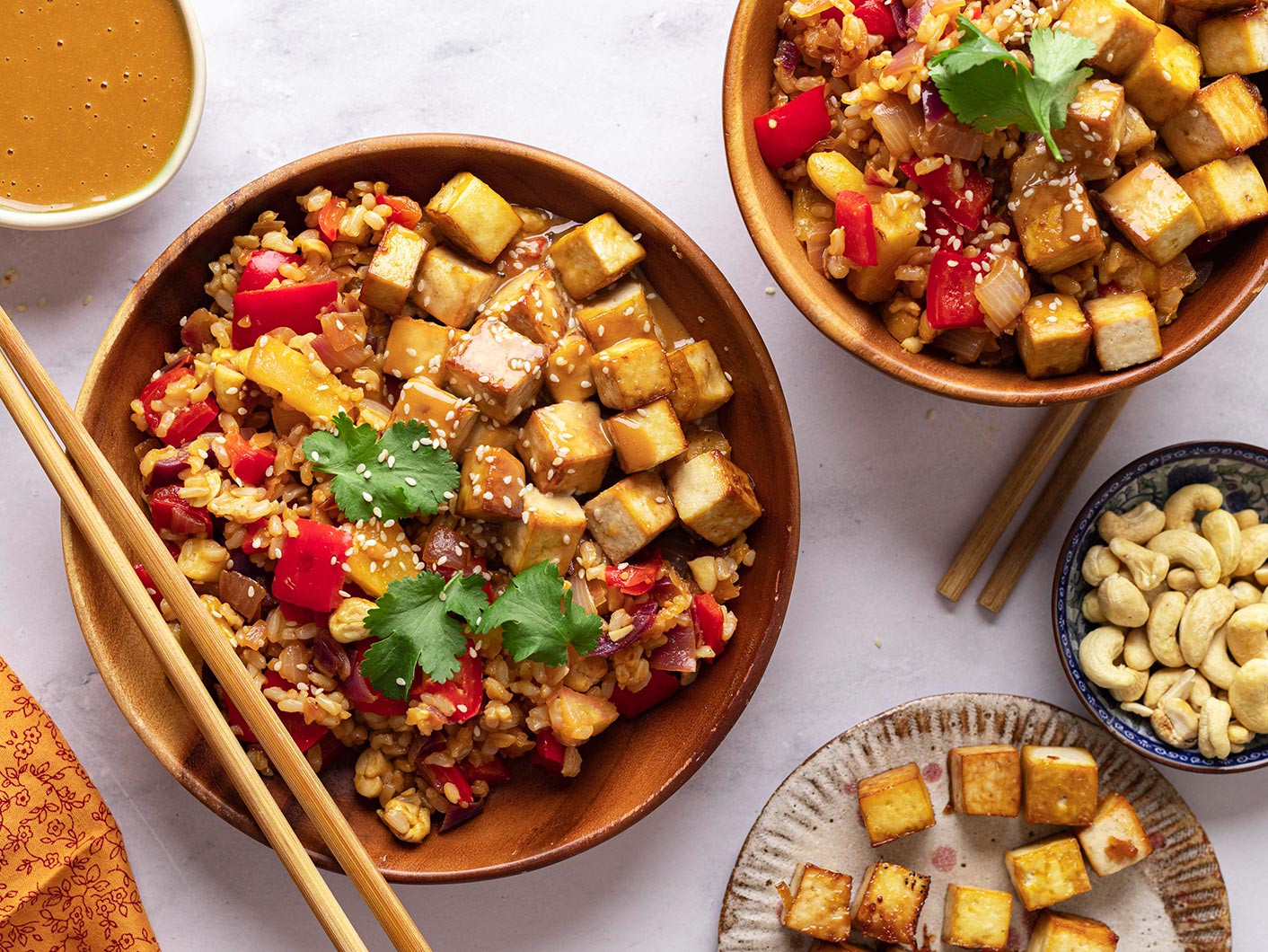
Discover the Magic of Homemade Pineapple Fried Rice: Your Ultimate Guide
There's a universally appealing charm to Thai cuisine, and among its many beloved dishes, pineapple fried rice stands out as a vibrant, flavorful, and incredibly satisfying meal. Far from being just a novelty dish found in tourist hotspots, authentic Thai pineapple fried rice is a genuine culinary delight, celebrated for its unique balance of sweet, savory, and sometimes spicy notes. Imagine a dish that brings together fluffy rice, succulent shrimp or tender chicken, crunchy cashews, and the bright, juicy sweetness of pineapple, all infused with aromatic Thai spices. The good news? Crafting this takeout favorite at home is not only achievable but often yields results that surpass your local restaurant's offering, all while being surprisingly quick to prepare.
For those bustling weeknights or when you simply crave something extraordinary, learning to master homemade pineapple fried rice is a game-changer. It offers the perfect blend of convenience and gourmet appeal, allowing you to customize ingredients to your heart's content and impress guests with minimal effort. Let's delve into what makes this dish so special and how you can create your own masterpiece.
The Allure of Pineapple Fried Rice: A Symphony of Flavors
What truly sets pineapple fried rice apart is its masterful blend of contrasting yet complementary flavors and textures. It's a dish that tantalizes every part of your palate, offering a journey through the best of Thai culinary principles.
- Sweetness from Pineapple: The star of the show, fresh pineapple, contributes a natural sweetness that is lightly caramelized during the stir-frying process. This sweetness isn't just about taste; it cuts through the richness of the other ingredients, providing a refreshing counterpoint and a delightful juicy texture.
- Savory Depth: Foundationally, the dish builds its savory profile with aromatics like garlic and shallots, often enhanced by the umami-rich notes of fish sauce and soy sauce. These ingredients create a complex depth that is both comforting and exotic.
- Salty & Tangy Accents: A delicate balance of saltiness, typically from fish sauce and soy sauce, ensures the dish isn't overtly sweet. A touch of lime juice can add a subtle tang, brightening the overall flavor.
- Crunch & Chew: Textural variety is key. Toasted cashews provide a satisfying crunch, while the protein of choice (shrimp, chicken, or tofu) adds a substantial chew. Fluffy eggs, scrambled directly into the rice, contribute a soft richness.
This harmonious blend is what makes pineapple fried rice an unforgettable experience. It's not just a meal; it's an adventure for your taste buds, proving that a dish can be both profoundly comforting and exhilaratingly complex.
Mastering the Art of Homemade Pineapple Fried Rice
While the final dish seems intricate, the process of making pineapple fried rice is surprisingly straightforward, especially if you adhere to a few core principles. The secret lies in preparation and understanding the dynamics of stir-frying.
The Golden Rule: Day-Old Rice is Your Best Friend
This is arguably the most crucial tip for any successful fried rice, and pineapple fried rice is no exception. Using freshly cooked, hot rice will result in a sticky, clumpy mess. Here's why day-old (or at least well-chilled) rice is superior:
- Reduced Moisture: As rice cools and rests in the refrigerator, its moisture content decreases. This prevents it from steaming and clumping together in the hot wok, ensuring each grain separates beautifully.
- Firmer Texture: The starches in chilled rice become firmer, allowing the grains to withstand the high heat of stir-frying without breaking down into mush.
Pro Tip: Cook your rice at least a day in advance. After cooking, spread it out on a baking sheet to cool completely, then refrigerate in an airtight container. If you're in a pinch, cook rice, spread it out, and pop it in the freezer for 15-20 minutes to quickly chill it.
Assembling Your Ingredients: The Power of Mise en Place
The beauty of stir-frying is its speed, but that speed demands readiness. Having all your ingredients prepped, chopped, and measured before you even turn on the stove is non-negotiable. This culinary philosophy, known as mise en place, ensures a smooth and stress-free cooking experience.
Your typical ingredient list will include:
- Cooked and Chilled Rice: As discussed, the foundation.
- Proteins: Shrimp, chicken breast (diced), firm tofu (cubed), or a mix.
- Pineapple: Fresh, diced.
- Aromatics: Minced garlic, finely diced shallots or onion.
- Vegetables: Diced bell peppers, peas, carrots, green onions. Cherry tomatoes are also a popular addition.
- Eggs: Lightly beaten for scrambling.
- Nuts: Toasted cashews for that essential crunch.
- Sauces: Fish sauce, soy sauce, a touch of oyster sauce (optional), sugar (palm or brown).
- Oil: High smoke point oil like vegetable, canola, or peanut oil.
Stir-Frying Secrets for Perfect Texture
Achieving that signature "wok hei" (breath of the wok) or simply perfectly cooked fried rice involves high heat and efficient technique.
- Hot Wok, Less Oil: Heat your wok or large skillet over high heat until it's smoking. Add a minimal amount of oil, swirling to coat. This prevents sticking and ensures ingredients fry, not steam.
- Cook in Batches: Avoid overcrowding the pan. Cook proteins first, remove, then stir-fry aromatics, then vegetables, and finally add the rice. This maintains high heat and allows each component to cook properly.
- Gentle Mixing for Rice: Once the rice is added, use a spatula to break up any clumps and fold it gently. Don't mash it. You want to toast the rice grains, not turn them into porridge.
- Seasoning at the End: Add your sauces and pineapple towards the end, after the rice has been properly heated through and slightly toasted.
Elevating Your Presentation: The Iconic Pineapple Bowl
Once considered a "touristy" gimmick, serving pineapple fried rice in a hollowed-out pineapple half has gained widespread acceptance and for good reason. It’s not just about aesthetics; with the right technique, it’s surprisingly practical, less messy, and undeniably impressive.
A Step-by-Step Guide to Crafting Your Pineapple Bowl
Don't be intimidated by the pineapple bowl. With a few simple steps, you can create a stunning vessel for your fried rice, and even harvest the delicious fruit for your dish simultaneously.
- Choose the Right Pineapple: Select a ripe, firm pineapple with a sturdy base. Look for one that's slightly wider, as it will hold more rice.
- Halve It Lengthwise: Place the pineapple on a cutting board. Using a large, sharp knife, carefully slice it in half lengthwise, right through the leafy crown.
- Score the Flesh: With a smaller, sharp knife, score around the inner edge of each pineapple half, leaving about a ½-inch border from the skin. Then, score the flesh in a crosshatch pattern, being careful not to cut through the skin.
- Scoop it Out: Use a spoon (a grapefruit spoon works wonderfully) to scoop out the scored pineapple chunks. Place the scooped fruit in a bowl; these pieces will be diced for your fried rice. Ensure you remove the tough core from the scooped pineapple.
- Drain if Needed: If the pineapple bowl accumulates too much juice, gently tip it to drain before filling with your fried rice.
The "wow" factor this presentation adds is immense. Guests are instantly captivated, making it a perfect dish for entertaining or simply adding a touch of specialness to your home dining experience. It's a prime example of how thoughtful presentation can transform a meal into an event, turning a simple "let's eat" into an enthusiastic "wow, amazing!"
Customization and Creativity: Making It Your Own
One of the greatest joys of cooking pineapple fried rice at home is the freedom to customize. While there’s a classic template, this dish is incredibly forgiving and open to personal touches.
- Proteins: Experiment with different proteins. Shrimp and chicken are traditional, but thinly sliced pork, beef, or even crispy fried tofu make excellent additions. For a fully plant-based version, simply omit the eggs and animal protein, increasing the amount of tofu or vegetables.
- Vegetables: Beyond bell peppers and peas, consider adding corn, snow peas, water chestnuts, or even a handful of spinach. Feel free to use whatever fresh vegetables you have on hand.
- Spice Level: Adjust the heat to your preference. Add fresh bird's eye chilies with the aromatics for a fiery kick, or a pinch of chili flakes for milder warmth.
- Garnishes: Fresh cilantro, more green onions, a wedge of lime, or extra toasted cashews can elevate the finished dish visually and texturally.
Remember, your kitchen is your canvas. Don't be afraid to experiment and discover your own perfect rendition of this Thai classic.
From its vibrant flavors to its stunning presentation potential, pineapple fried rice is a dish that truly delivers on all fronts. It’s an authentic taste of Thailand that’s both simple to master and incredibly rewarding to make at home. By following these tips – especially using day-old rice, preparing your ingredients in advance, and embracing the iconic pineapple bowl – you're well on your way to creating a dish that rivals any takeout and will surely impress everyone at your table. So grab your wok, gather your ingredients, and prepare to embark on a delicious culinary journey that proves the best Thai food might just be made in your own kitchen.
